Outdoor Porcelain Pavers: Stylish & Long-Lasting Patio Ideas
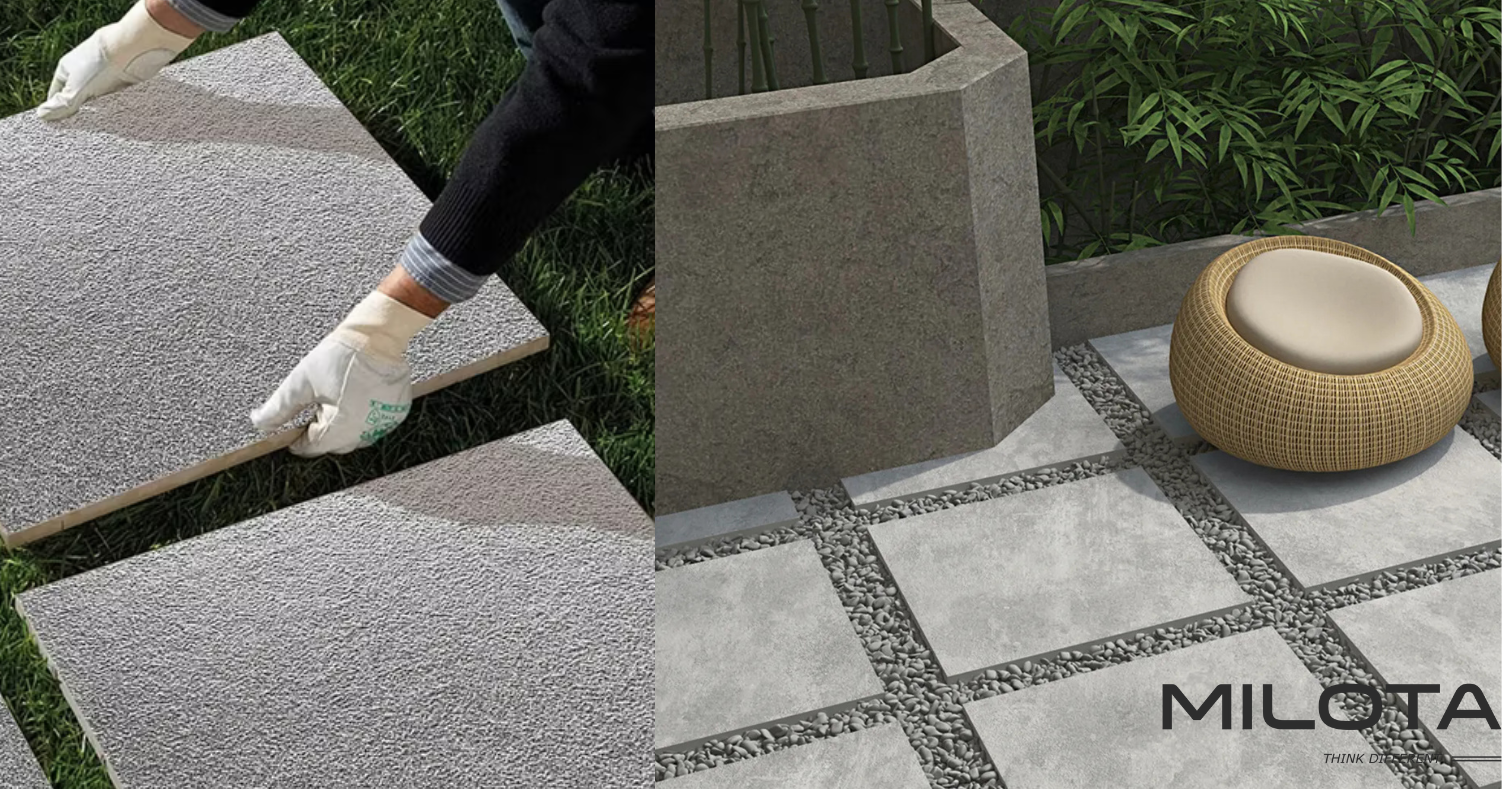
When it comes to enhancing your outdoor living space, the right flooring can make or break the aesthetic and functionality of your patio. Outdoor porcelain pavers have emerged as a top choice for homeowners seeking a blend of style, durability, and low maintenance. Unlike traditional concrete or natural stone, porcelain pavers offer a sleek, modern look while resisting weathering, stains, and wear over time.
This guide explores everything you need to know about outdoor porcelain pavers, from design ideas and installation methods to maintenance tips and common pitfalls to avoid. Whether you’re creating a cozy backyard retreat or a spacious entertainment area, understanding the benefits and limitations of porcelain tiles will help you make informed decisions. We’ll cover step-by-step installation tips, compare materials, and even share budget-friendly strategies to elevate your patio design without compromising quality.
By the end, you’ll have a complete blueprint for transforming your patio into a stylish, long-lasting outdoor space.
What Are Outdoor Porcelain Pavers?
Definition and Composition:
Outdoor porcelain pavers are large-format tiles made from highly compressed, fine porcelain clay. Fired at extreme temperatures, these tiles become extremely dense, hard, and water-resistant. Unlike natural stone, porcelain can be manufactured to mimic marble, slate, or wood while providing a consistent, uniform appearance.
Key Features:
- High durability: Resistant to cracks, scratches, and fading.
- Water and stain resistance: Ideal for wet climates or poolside patios.
- Low maintenance: Requires minimal cleaning compared to natural stone.
- Aesthetic versatility: Available in matte, textured, and polished finishes.
Micro Case Note:
A homeowner in Arizona replaced 300 sq. ft. of worn concrete with porcelain pavers. Five years later, the patio retained its original color and texture despite heavy sun exposure—a clear testament to longevity.
Benefits of Outdoor Porcelain Pavers
- Durability and Strength
Porcelain pavers can handle heavy foot traffic and outdoor furniture without cracking or chipping. They outperform many traditional materials like natural stone or concrete slabs in terms of long-term wear. - Low Maintenance
Unlike wooden decks, which require staining or sealing, porcelain pavers only need occasional sweeping and mild soap cleaning. - Versatility in Design
Available in various colors, textures, and sizes, they allow homeowners to create modern, minimalist, or rustic patios with ease. - Slip Resistance and Safety
Textured or matte finishes make porcelain pavers slip-resistant, reducing the risk of accidents in wet areas or around pools. - Weather Resistance
Porcelain is resistant to freeze-thaw cycles, UV rays, and extreme heat, making it suitable for all climates.
Pro Tip:
For maximum safety, choose pavers with a textured finish for poolside patios or high-traffic areas.
Outdoor Porcelain Paver vs. Traditional Patio Materials
| Feature | Porcelain Paver | Concrete | Natural Stone | Wood Decking |
| Durability | High | Moderate | High | Low |
| Maintenance | Low | Moderate | Moderate | High |
| Slip Resistance | High (textured) | Medium | Medium | Low |
| Design Options | Extensive | Limited | Moderate | Moderate |
| Weather Resistance | Excellent | Moderate | High | Low |
| Cost | Moderate-High | Low | High | Moderate |
Observation:
Porcelain combines aesthetic flexibility with durability better than most alternatives. While initial cost may be higher than concrete, the long-term benefits and low maintenance often justify the investment.
Popular Outdoor Porcelain Paver Styles
- Wood-Look Porcelain Pavers
Mimic natural wood grains without the maintenance issues of real timber. Ideal for patios or pool decks. - Concrete-Look Porcelain Pavers
Provide a modern, industrial feel while offering superior durability. - Stone-Look Porcelain Pavers
Resemble granite, slate, or marble with uniform thickness and fewer imperfections. - Large-Format Porcelain Slabs
Offer a seamless, high-end appearance for contemporary outdoor spaces.
Micro Example:
A Miami homeowner installed 24×24-inch wood-look porcelain tiles. The patio achieved a warm, natural aesthetic without warping or staining over three hurricane seasons.
Step-by-Step Installation of Outdoor Porcelain Pavers
Step 1: Site Preparation
- Remove existing surface materials.
- Level the ground and compact the soil.
- Add a sand or gravel base for drainage.
Step 2: Laying the Pavers
- Start from a corner and work outward.
- Use spacers for even gaps (typically 2–5 mm).
- Ensure consistent leveling across tiles.
Step 3: Grouting or Joint Filling
- Use polymeric sand or epoxy grout for outdoor durability.
- Sweep excess material and rinse.
Step 4: Sealing (Optional)
- Porcelain is naturally resistant, but sealing can enhance color and stain protection.
Pro Tip:
Always check manufacturer guidelines for weight-bearing limits, especially for elevated patios or rooftop terraces.
Common Mistakes to Avoid
- Ignoring drainage requirements: Poor drainage can lead to water pooling and slipping hazards.
- Using indoor porcelain tiles outdoors: Outdoor-grade pavers are thicker, non-slip, and frost-resistant.
- Uneven sub-base: Can cause cracking or tile shifting over time.
- Overlooking expansion gaps: Thermal expansion requires small spacing to prevent buckling.
Maintenance Tips for Outdoor Porcelain Pavers
- Routine Cleaning: Sweep debris and wash with mild detergent.
- Stain Management: Clean spills promptly to avoid oil or wine stains.
- Avoid Harsh Chemicals: Acidic cleaners can damage the tile surface.
- Inspect for Damage: Replace cracked or chipped tiles immediately to maintain aesthetics and safety.
Cost Considerations
Factors Affecting Price:
- Tile size and thickness
- Finish and texture
- Labor costs
- Site preparation needs
Average Cost:
Outdoor porcelain pavers typically range from $15–$50 per square foot installed, depending on quality and complexity. While higher than concrete, the low maintenance and long lifespan make them cost-effective in the long run.
Creative Patio Design Ideas Using Porcelain Pavers
- Checkerboard Patterns: Combine light and dark pavers for a bold, modern look.
- Mixed Materials: Pair porcelain with gravel or decking for texture contrast.
- Pathway Integration: Use large slabs to create clean, minimalist walkways.
- Outdoor Entertaining Spaces: Incorporate seating, fire pits, or planters seamlessly with the pavers.
Case Note:
A San Diego residence integrated gray porcelain pavers with low-maintenance artificial turf. The result was a visually striking backyard that required minimal upkeep while offering comfortable lounging and dining areas.
Pros and Cons of Outdoor Porcelain Pavers
Pros:
- High durability and long lifespan
- Low maintenance requirements
- Variety of styles and textures
- Slip- and weather-resistant
Cons:
- Higher upfront cost than concrete
- Requires professional installation for best results
- Heavy tiles can complicate DIY handling
Advanced Outdoor Porcelain Paver Design Concepts
1. Pattern Innovation
Beyond simple grid layouts, homeowners can explore creative patterns to add depth and character:
- Herringbone and Chevron: Adds a sense of movement and sophistication, perfect for narrow patios.
- Staggered Offset: Randomly staggered tiles create a natural, casual aesthetic.
- Mosaic Inserts: Use smaller pavers in contrasting colors for borders, focal points, or geometric motifs.
Pro Tip:
When mixing patterns, stick to 2–3 complementary colors to avoid a chaotic look.
2. Integrating Lighting with Porcelain Pavers
Lighting can dramatically enhance the patio ambiance and safety:
- LED Strip Lighting: Install under edge tiles for subtle glow.
- Recessed Ground Lights: Highlight walkways or paver borders.
- Solar Paver Lights: Eco-friendly option with minimal wiring.
Micro Case Note:
A homeowner in Austin added warm LED strips between large-format pavers. This illuminated the pathway at night while maintaining a sleek modern design.
3. Combining Porcelain with Other Materials
Porcelain pairs well with other outdoor elements for multi-dimensional patios:
- Artificial Turf or Grass Strips: Creates contrast and a natural feel.
- Gravel or Pebble Borders: Enhances drainage and texture contrast.
- Wood Decking Insets: Combines warmth of wood with low-maintenance porcelain.
Practical Tip:
Ensure all combined materials are leveled correctly to prevent tripping hazards and maintain aesthetic flow.
Installation Challenges and Expert Solutions
Common Installation Challenges
- Heavy Tiles: Large-format porcelain pavers can weigh 40–60 lbs each. Handling them without proper equipment risks injury.
- Uneven Subgrade: Any small slope or unevenness can cause cracking or misalignment.
- Temperature Expansion: Porcelain expands and contracts with heat. Without proper spacing, tiles may buckle.
Expert Solutions
- Use a tile leveling system to maintain flatness across large areas.
- Compact sub-base thoroughly and ensure slight slope for drainage (1–2% slope recommended).
- Leave expansion joints of 3–5 mm between tiles to accommodate thermal movement.
Outdoor Porcelain Paver Safety Considerations
Safety is crucial for patios, especially in wet or poolside environments:
- Slip Resistance: Choose tiles with R11–R13 rating for pool areas or heavy rain regions.
- Fire Safety: Porcelain is naturally fire-resistant, suitable for patios with fire pits or grills.
- Weight Load: Ensure sub-base and support structure can handle furniture, planters, or vehicles if used for driveways.
Case Note:
In Florida, a homeowner installed textured porcelain pavers around a pool. During heavy rains, water drained properly without slipping hazards—proving the importance of texture and slope.
Seasonal Care and Maintenance Tips
Winter Care:
- Avoid metal shovels; use plastic snow shovels to prevent scratches.
- Sweep off ice melt residues that can cause staining.
Summer Care:
- Light-colored pavers reflect heat; dark-colored pavers may become hot.
- Hose down dust and pollen to maintain color and prevent micro-abrasions.
Annual Maintenance Checklist:
- Check for cracked or chipped pavers.
- Clean grout lines and remove moss or algae.
- Inspect expansion joints for debris or deterioration.
Pro Tip:
Regular cleaning twice a year extends the life of the pavers and preserves their aesthetic appeal.
Eco-Friendly Benefits of Porcelain Pavers
Porcelain is increasingly recognized as a sustainable outdoor flooring option:
- Recyclable Material: Many pavers are made from natural clay and recycled components.
- Long Lifespan: Reduces replacement frequency compared to wood or concrete.
- Heat Reflective Options: Lighter shades reduce heat absorption, helping micro-climate cooling.
Example:
A community park in California installed porcelain pavers with a light sand-colored finish. This minimized heat island effect while requiring almost no maintenance for 8 years.
Cost-Saving Strategies for Large Projects
- Mix Paver Sizes: Combine large and medium-format tiles to reduce waste.
- DIY Base Preparation: Excavate and level the ground yourself, but hire professionals for tile laying if necessary.
- Buy in Bulk: Many suppliers offer discounts for orders over 1,000 sq. ft.
Budget Calculation Example:
- 500 sq. ft. patio × $30 per sq. ft. installed = $15,000
- By using mixed tile sizes and DIY sub-base, you can save ~10–15%, reducing total cost to $12,750–$13,500.
Inspiring Outdoor Porcelain Paver Patio Ideas
- Urban Rooftop Patio: Large-format gray porcelain pavers combined with modular seating create a sleek city terrace.
- Coastal Backyard: White and beige pavers mimic sandy beaches, paired with low-maintenance succulents.
- Contemporary Courtyard: Checkerboard black-and-white pavers with recessed lighting for evening ambiance.
- Zen Garden Integration: Light gray pavers interspersed with moss or gravel strips for a calming retreat.
Case Study:
In Seattle, a homeowner replaced concrete slabs with porcelain pavers in a staggered pattern, integrating gravel strips between tiles. The patio became visually striking and required minimal winter care despite frequent rain.
Porcelain Pavers for Commercial Outdoor Spaces
Porcelain is not only for residential patios—commercial properties benefit as well:
- Restaurants & Cafés: Slip-resistant tiles ensure customer safety.
- Office Courtyards: Durable and low-maintenance, ideal for high foot traffic.
- Hotels & Resorts: Large-format pavers provide luxury appeal while withstanding heavy use.
Micro Note:
Many hotel resorts in Dubai use textured porcelain pavers around pools. The material withstands extreme sun, chlorine, and foot traffic, maintaining a high-end aesthetic year-round.
Future Trends in Outdoor Porcelain Pavers
- Digital Printing & Realistic Textures: Mimicking wood, stone, and concrete more accurately than ever.
- Larger Slab Sizes: 36×36 or 48×48-inch slabs for minimal grout lines and a seamless look.
- Integrated Smart Lighting: Pavers with built-in LED indicators for pathways or borders.
- Eco-Conscious Manufacturing: Reduced water usage and lower carbon footprint during production.
Trend Insight:
Designers now combine sustainability with high-end aesthetics, proving that porcelain pavers are both a luxury and practical choice for modern outdoor design.
Choosing the Right Outdoor Porcelain Paver for Your Climate
When selecting outdoor porcelain pavers, it’s essential to consider your local climate. Porcelain tiles are naturally water-resistant, but certain finishes perform better under specific conditions. For areas with heavy rainfall or frost, choose textured or anti-slip pavers to prevent accidents. In extremely hot regions, lighter-colored tiles reduce heat absorption and provide a cooler walking surface. Homeowners in coastal regions should select salt-resistant and dense porcelain to withstand corrosion from salty air and humidity. Always check the manufacturer’s specifications for frost and UV ratings to ensure long-term durability.
Porcelain Paver Thickness and Size Considerations
Outdoor porcelain pavers come in various thicknesses, typically ranging from 20mm to 30mm for patios. Thicker pavers provide higher load-bearing capacity and are ideal for areas with heavy furniture or occasional vehicle traffic. Large-format pavers (24×24 inches or bigger) offer a seamless, luxurious look but require precise leveling and handling. Smaller tiles are easier to install in irregular areas and allow more flexibility for curved patios. Considering the right thickness and size ensures structural stability and aesthetic balance.
Substrate and Base Layer Preparation
A strong and stable base is crucial for the longevity of porcelain pavers. Start with a well-compacted gravel or sand base, at least 4–6 inches deep, depending on soil type and traffic load. The base layer provides drainage and prevents uneven settling. For sloped patios, maintain a 1–2% gradient to guide water away from your home and prevent pooling. Failing to prepare the base properly can lead to cracks, shifting tiles, and uneven surfaces over time, which compromises both appearance and safety.
Creative Border and Edge Options
Borders and edges enhance the visual appeal of a patio while providing functional benefits. You can create a framed look with contrasting-colored pavers along the patio perimeter or use smaller mosaic tiles for decorative accents. Rounded or chamfered edges improve safety and reduce tripping hazards. For poolside patios, integrate water drainage channels discreetly along the edges using narrow paver strips. Borders are a small detail, but they significantly elevate the overall look of your outdoor space.
Outdoor Furniture and Porcelain Pavers
Selecting the right outdoor furniture complements your porcelain patio. Lightweight metal or resin furniture prevents excessive stress on pavers, while heavy stone or concrete furniture requires stronger base support. Consider furniture pads or rubber feet to prevent scratches and micro-abrasions. Outdoor rugs can also be used to define seating areas without trapping moisture underneath, as porcelain is already water-resistant and does not absorb spills easily.
Integrating Greenery with Porcelain Patios
Plants, shrubs, and potted trees add warmth and life to patios. Porcelain pavers pair beautifully with low-maintenance landscaping, such as succulents, ornamental grasses, or artificial turf. For a modern look, intersperse narrow strips of grass or moss between paver joints. This combination softens the hardships while maintaining easy maintenance. Planters can be placed strategically along the patio perimeter to create natural shading and visual interest.
Waterproofing and Drainage Tips
Although porcelain pavers are naturally water-resistant, proper water management is critical. Ensure your patio has a slight slope away from the house to prevent water accumulation near foundations. Incorporate gravel or sand layers beneath the pavers to aid drainage. For heavy rain regions, consider permeable joint materials that allow water to seep into the ground, reducing runoff and erosion. Proper drainage extends the lifespan of your pavers and maintains safety during wet conditions.
Seasonal Decoration Ideas for Porcelain Patios
Outdoor porcelain pavers provide a versatile canvas for seasonal décor. During spring and summer, add vibrant planters, outdoor lanterns, and colorful cushions. In fall, incorporate rustic elements like pumpkin arrangements or woven rugs. For winter, use waterproof fairy lights, fire pits, or heated seating areas to make your patio usable year-round. The durability of porcelain ensures it withstands seasonal changes without staining or fading, making it an ideal base for versatile outdoor design.
Long-Term Cost Analysis
While the upfront cost of porcelain pavers may be higher than concrete or brick, long-term savings make them cost-effective. Porcelain requires minimal maintenance, rarely needs replacement, and maintains its aesthetic appeal for decades. By contrast, wood decking requires regular sealing, staining, or replacement, while concrete may crack and discolor over time. When factoring in labor, maintenance, and replacement costs, porcelain pavers often represent a lower total cost of ownership over 20–30 years.
DIY vs. Professional Installation
Although some homeowners attempt DIY installation, large-format porcelain pavers require precision leveling, proper base preparation, and careful handling. Mistakes can lead to uneven surfaces, cracking, or drainage issues. Professional installers have experience with:
- Leveling large-format tiles
- Correct expansion joint placement
- Ensuring proper slope for drainage
- Safe handling and cutting of heavy tiles
For smaller patios or decorative pathways, DIY installation may be feasible, but for larger, high-traffic areas, professional installation is recommended for long-term durability.
Advanced Cleaning Techniques
For patios exposed to heavy dirt, pollen, or stains, simple sweeping may not suffice. Advanced cleaning tips include:
- Pressure washing: Use low-pressure settings to avoid tile damage.
- pH-neutral cleaners: Maintain the porcelain’s surface finish.
- Sealing grout lines: Polymeric sand or epoxy grout prevents dirt accumulation.
- Algae or moss removal: Use diluted vinegar or mild bleach solutions carefully on textured tiles.
Regular cleaning preserves both aesthetics and safety, ensuring slip resistance remains effective.
Outdoor Porcelain Paver Trends in 2026
Emerging trends reflect homeowners’ desire for luxury and sustainability:
- Ultra-large tiles (36×36 or 48×48 inches) for minimal grout lines
- Porcelain with integrated lighting for modern night-time ambiance
- Eco-conscious production methods with reduced energy consumption
- Wood-look pavers with highly realistic grain patterns for low-maintenance luxury
Staying updated with trends allows homeowners to create contemporary patios that remain visually relevant and functional for years.
Mini-Summary
Outdoor porcelain pavers provide an ideal balance of beauty, durability, and practicality for modern patios. From versatile design options to low maintenance and long-term weather resistance, they outperform many traditional materials while offering superior aesthetics. Proper planning, installation, and maintenance ensure your patio remains stylish and functional for years to come.
With outdoor porcelain pavers, homeowners and commercial developers gain a perfect combination of durability, style, and low maintenance. Advanced designs, lighting integration, seasonal care strategies, and eco-friendly options make them versatile and long-lasting. By planning layout, drainage, and tile selection carefully, you can achieve a functional and visually stunning outdoor space that endures for decades.
Conclusion
Investing in outdoor porcelain pavers transforms your patio into a long-lasting, visually appealing, and safe outdoor space. Whether you prefer wood-look, stone-look, or large-format modern designs, porcelain tiles offer unmatched versatility and resilience. Careful attention to installation, drainage, and maintenance will maximize longevity while preserving your investment.
With creative layouts, complementary landscaping, and attention to functional details like slip resistance and expansion gaps, your patio can become a centerpiece of outdoor living that combines style with practical durability.
FAQs
Q1: What makes outdoor porcelain pavers better than concrete?
A1: Outdoor porcelain pavers are more durable, resistant to stains, scratches, and weather damage. They also offer a wider variety of colors and textures than concrete.
Q2: Can I install outdoor porcelain pavers myself?
A2: While DIY installation is possible, professional installation is recommended for large patios to ensure proper leveling, drainage, and durability.
Q3: How do I maintain outdoor porcelain pavers?
A3: Sweep regularly, wash with mild detergent, clean spills promptly, and avoid harsh chemicals. Sealing is optional but can enhance color retention.
Q4: Are outdoor porcelain pavers slip-resistant?
A4: Yes, textured or matte finishes are designed for slip resistance, making them safe for wet areas like pool decks.
Q5: How long do outdoor porcelain pavers last?
A5: With proper installation and maintenance, outdoor porcelain pavers can last 20–30 years or more.
Q6: Can porcelain pavers be used around pools?
A6: Absolutely. Choose textured, slip-resistant pavers rated for outdoor wet areas to ensure safety and durability.
Q7: What is the cost range for installing outdoor porcelain pavers?
A7: Depending on size, style, and installation complexity, prices range from $15–$50 per square foot installed.